How to install a water heater in Saginaw
This guide provides step-by-step instructions on how to install a water heater in Saginaw, including tools needed and common mistakes to avoid.
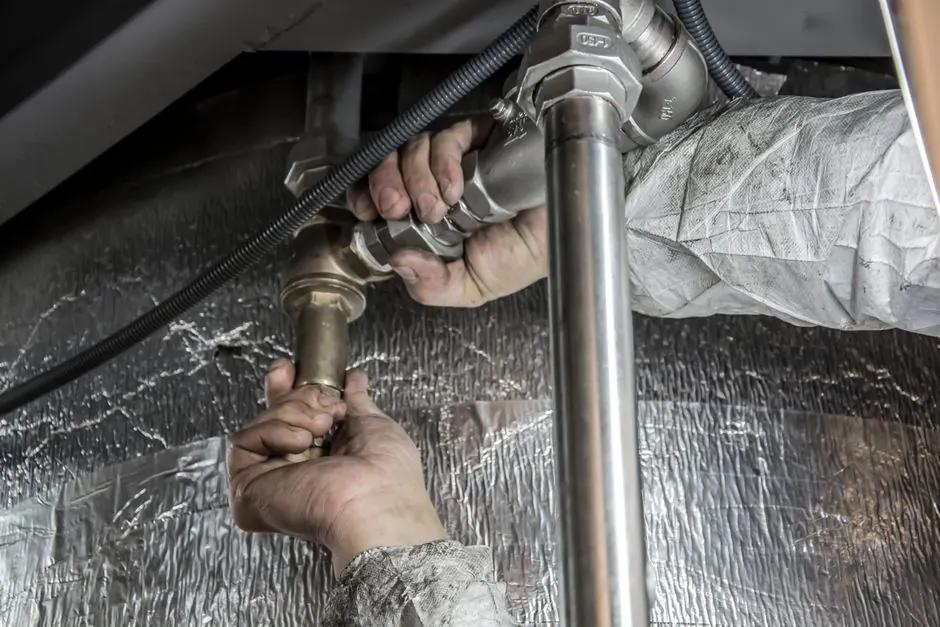
Installing a water heater in Saginaw can be a straightforward process if you follow the right steps. This guide will walk you through the installation process, including necessary tools and common pitfalls to avoid.
A water heater is an appliance that heats water for various domestic purposes, such as bathing, cooking, and cleaning. Knowing how to properly install one can save you time and money.
Why Install a Water Heater Yourself?
Many homeowners in Saginaw choose to install their water heaters to save on labor costs. DIY installation can be rewarding, but it requires careful planning and execution.
Tools Needed for Installation
Before starting the installation, gather the following tools:
- Adjustable wrench
- Screwdriver set
- Pliers
- Pipe cutter
- Measuring tape
- Level
- Safety goggles
Having these tools on hand will streamline the installation process. Additionally, you may need materials such as copper or PVC pipes, fittings, and a new water heater.
Step-by-Step Installation Guide
Follow these steps to install your water heater:
- Turn Off the Power and Water: Before beginning, ensure that the power supply is turned off. For electric heaters, switch off the circuit breaker. For gas heaters, turn the gas valve to the off position.
- Drain the Old Heater: Connect a garden hose to the drain valve at the bottom of the heater and drain the water into a bucket or outside. Be cautious as the water may be hot.
- Disconnect Old Connections: Use your adjustable wrench to disconnect the cold and hot water pipes from the old heater. Remove the vent pipe if you have a gas heater.
- Prepare the New Heater: Position the new water heater in place. Ensure it is level and has enough clearance for maintenance.
- Connect Water Supply Lines: Attach the cold water supply line to the cold inlet and the hot water line to the hot outlet. Ensure all connections are tight to prevent leaks.
- Connect Power Supply: For electric heaters, connect the wiring according to the manufacturer's instructions. For gas heaters, connect the gas line and ensure there are no leaks.
- Fill the Tank: Open the cold water supply valve and allow the tank to fill. Open a hot water faucet in your home to let air escape.
- Power On the Heater: Once the tank is full and all connections are secure, turn on the power or gas supply. Set the desired temperature on the thermostat.
Following these steps will help you successfully install your water heater. However, if you encounter issues during installation, consider contacting water heater services Saginaw for assistance.
Common Mistakes to Avoid
When installing a water heater, be mindful of these common mistakes:
- Not checking local codes and regulations, which can lead to fines.
- Failing to properly insulate pipes, resulting in heat loss.
- Overtightening connections, which can cause damage.
- Neglecting to check for leaks after installation.
When to Call a Professional
If you feel uncertain about any part of the installation process, it's wise to call a professional. Plumbing Saginaw offers expert assistance for emergency plumbing Saginaw needs, ensuring your water heater is installed safely and correctly.
Frequently Asked Questions
1. How long does it take to install a water heater? Installing a water heater typically takes 2 to 4 hours, depending on your experience level and the complexity of the installation.
2. What is the average cost of water heater installation in Saginaw? In 2026, the average cost for professional installation ranges from $800 to $1,500, depending on the type of heater and labor costs.
3. Can I install a water heater myself? Yes, you can install a water heater yourself if you have the necessary tools and knowledge. However, ensure you follow safety guidelines and local codes.
4. What type of water heater is best for my home? The best type of water heater depends on your household needs. Tankless heaters are efficient for smaller homes, while traditional tanks are suitable for larger families.
5. How do I know if my water heater needs replacing? Signs include rust-colored water, unusual noises, and leaks around the base of the heater.